I was a teenager during the dawn of the space race. I was fascinated with technology, and studied electronics. I actually did work in the aerospace industry for a decade. Some of it was early weather satellites and the Hubble Telescope. So W2OY would probably consider me a space cadet.
I also worked on music electronics (guitar amps and electronic organs), a calibration lab, the packaging industry, power conversion technology, S100 desktop computers, medical technology, commecial 2 way radio and repeaters, and consumer electronic repair. I worked for the small J-Omega Company in Mountain View, California that Bob Weitbrecht, W6NRM, a deaf ham, used to produce the first commercially successful telephone TTY device. The TTY unit we manufactured used 88 mH telephone toroids for the filters and employed a military surplus RTTY keyboard and was a straight up copy of some of what he used on the ham bands. Bob Weitbrecht and Wayne Green often chatted on ham radio by RTTY. I also worked at international telecommunication and FCC lobbying. I have been active in legislative reform locally. I have written articles which have been published in 73, CQ, and Electric Radio magazines.
One of the FCC actions I was involved with was the No Code initiative. Amateur radio licensing was plummeting; it was reaching crisis levels by 2007. W5YI Fred Maia and K6BP Bruce Perens were presidents of No Code International. I was on the board of directors. We worked to end morse code testing, first internationally, then in the USA. Hams in Germany and New Zealand were instrumental in getting the job done internationally. You will find no historical informationn on No Code International today. But if you got your amateur license without passing a code exam, you owe a big debt of thanks to NCI.
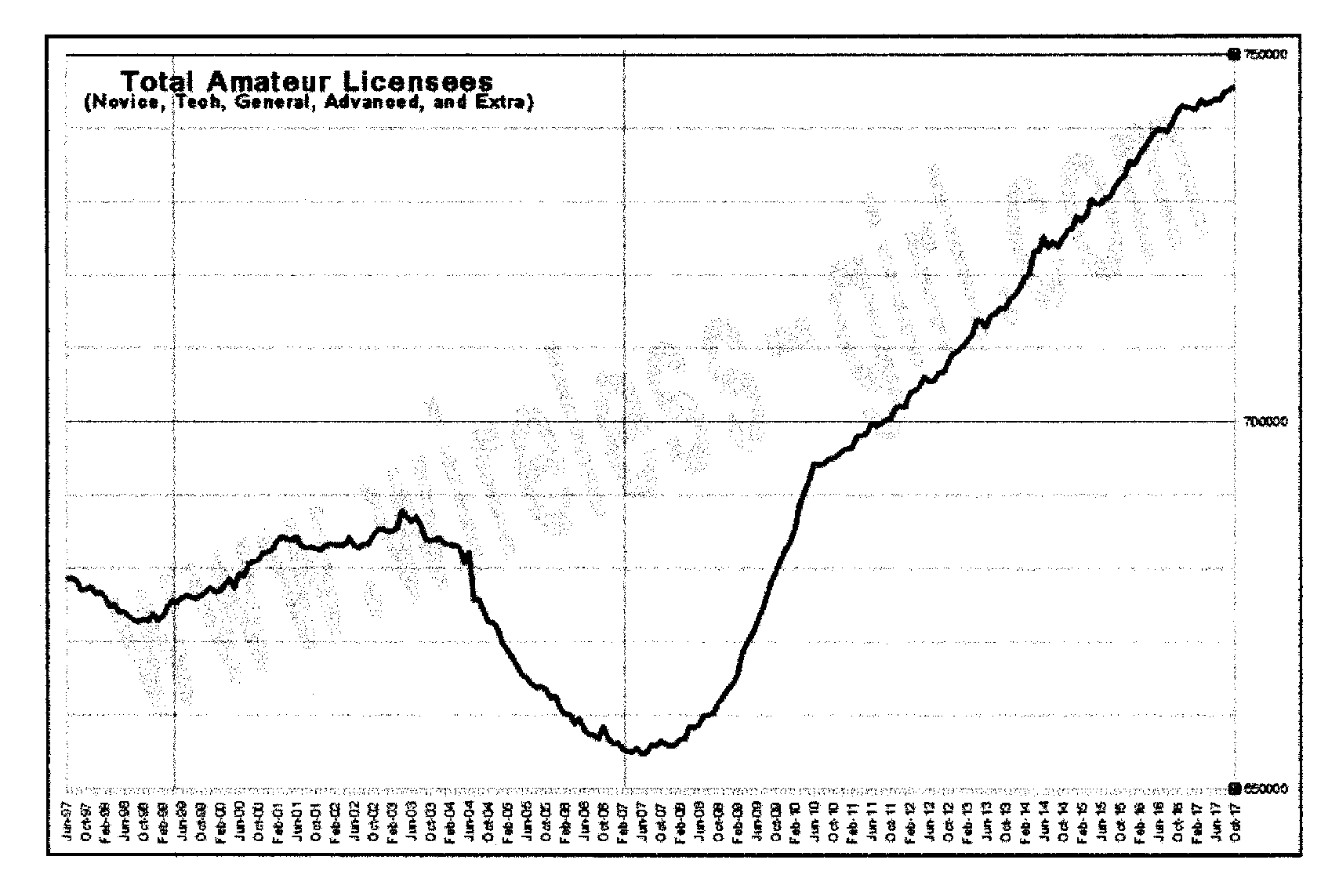
So amateur radio survives today, with less emphasis on morse code proficiency. I would rather give amateur radio to the next generation than bury it alongside with King Spark. I would have preferred to retain morse testing as 10% of the overall licensing test, rather than having the morse test be a brick wall to be climbed before anyone could access the written exam as it used to be. That said, I am a member of FISTS and SKCC. I have WAS triple play (CW, SSB, Digital). So don't characterize me as a code hater. It just seems rational compromise loses to zealotry.
I also worked with a team of hams on RM-11708, which was an ARRL petition to allow 2.8 KHz wide signals all across the RTTY/DATA/CW band segments. We lobbied to limit the 2.8 KHz emissions to a narrow sub band. We almost succeeded, but for the obstacles caused by hard liners on both sides. One faction focused on "encryption" rather than the primary goal of containing the free email service to a tolerable segment. The other faction wanted 2.8 KHz wide digital everywhere in the HF spectrum. RM-11831 was a good attempt to contain the robot wide band email to limited segments and address the "effective encryption" issue. However, nobody was able to craft a legally enforceable definition of "effectively encrypted". The FCC rejected it all, even the sub band limits. The commission then pushed for a negotiation with the ARRL, which almost worked except for the obstinance of certain hard liners. I know all this because I was on the negotiating team with ARRL and Winlink.
One HF Email advocate then successfully demonstrated over the air decode of Winlink using Pactor. He had to get help from the SCS modem designer and do some archaeology to find the compression algorithm to make the set up work. At that point the "effectively encrypted" argument was finished. Furthermore, Winlink soon implemented a complete posting of all emails sent through their system, allowing anyone who was a registered Winlink user to view all messages in the system. This publicly open content made it unlikely that people would be able to use their credit cards to buy anything using Winlink, which conformed finally to FCC rules about commercial use of amateur radio spectrum. The yachts had to pay for Sailmail which had no restrictions on content or actual encryption, and was entirely outside the amateur spectrum.
RM-11708 dragged on for almost 20 years; I view our work as a success because it delayed the expansion of a free email service for yachts to inundate the HF bands. As I predicted, Starlink and Satellite phone services made the proposed misuse of amateur radio for commercial purposes obsolete. If you doubt this, we filed an FCC complaint over 100 pages of instances of commercial content of these users. In the FCC comments on NPRM 16-239, we published 60 pages of it (with credit cards and other sensitive info redacted) which you can download and read for yourself.
To give you an idea of what we were up against, take a look at the sense of entitlement in this actual FCC comment in RM-11708. This shows actual practices in the yachting community, which was a primary force in backing Rm-11708 and pressing the ARRL to move it forward. This was not by any stretch "emergency communications" but a clear misuse of amateur radio in place of a legitimate commercial provider, Sailmail.
| To: FCC - RM-11708 The sailing forms are all encouraging us to file comments in support of RM-11708. This is my first filing and if I mess this up, please see SailNet Forum at: http://www.sailnet.com/forums/general-discussion-sailing-related/111746-us-citizensurged-support-fcc-rm-11708-a.htmlhttp://www.sailnet.com/forums/general-discussion-sailing-related/111746-us-citizensurged-support-fcc-rm-11708-a.html I have experienced very dependable service from the amateur radio Internet Winlink system. Its a great service because all of the other available Internet services cost money. Even when I am topside crusing (sic) the system runs automatically below deck publishing my position reports and downloading my email. I use the system for sending position reports, ordering supplies, repairs, chatting with friends and posting to facebook. My only complaint is that it needs to be much faster. I am not a amateur radio operator yet but a friend lets me use his call with a SIDD on the end. I hope to get my own ham call soon. From what I read on the sailing forums, RM-11708 will allow Winlink eMail to run twice as fast. That is great and I am for that. Some of the technical folks are saying that if RM-11708 is published with no bandwidth we can get even faster Internet and might be able to stream movies on the Winlink Internet. I'm for passing RM-11708 into law with no bandwidth limits. Randal Evans |
For all of the hubris about Winlink, you don't hear much about it any more, even in the hyped emergency communications circles. This is true even in face of the fact that a $2000 hardware modem from SCS has been replaced by an affordable software program, VARA. Again, taking over an entire HF band for a special interest found no place for reasonable accommodation.
There is still a remnant of RM-11708 (NPRM 16-238) open that proposes to allow unlimited band width digital emissions on 2 meters and 70 CM. I hope that idiotic proposal is defeated. I filed comments attempting to limit the power level of such emissions to the same level as Spread Spectrum is allowed, to prevent weak signal work, repeaters, and satellite work from being ruined. I am grateful to have been of service to the amateur community in this way.
I am not optimistic about the future of amateur radio. If another potential commercial user of amateur radio surfaces, it likely will win and ham radio will be history. The current arc of ARRL charter changes guarantees that what little is left of a representative democracy will vanish soon. The Ethics Committee effectively locks out reform candidates for director. The charter imposes a gag rule on directors, which prevents them from bringing issues before the membership. All of it is now behind closed doors. Quality ARRL directors have resigned. There is little hope for change now. Back in 1959, I treasured my QST magazine and read it cover to cover. Very sad. But I look back on my decades of efforts to preserve amateur radio with satisfaction.
I also worked with Bruce Franklin K7DYY on a number of projects, and presently host a mirror of his web site (since he is a silent key). Additionally, I was an early adopter and promoter of the MAX audio processor, an innovative audio processor which is widely used for AM mode, but is effective in SSB as well.
I lost a spouse to cancer and I raised our child on my own for over a decade.
Then after some medical problems, I was able to reinvent myself. Since then, I have been trying to become more active in ham radio and other pursuits I had to postpone until I could refocus after taking care of family obligations.
I like vacuum tube radios, but I have solid state vintage equipment also. I enjoy AM, CW, digital, and occasionally SSB operation. I am not much of a contester, but I enjoy field day often. I also do the vintage CW and AM boatanchor rallys.
My primary interest is restoration and building. This website will share some of the problems I encounter and the solutions I have found or devised myself to solve them. The presentation will strive not be just a dry "heres the schematic", but a discussion of the relative merits of various approaches to attack a task. I will try to spare you the thetas and betas, but you may find that sort of thing also.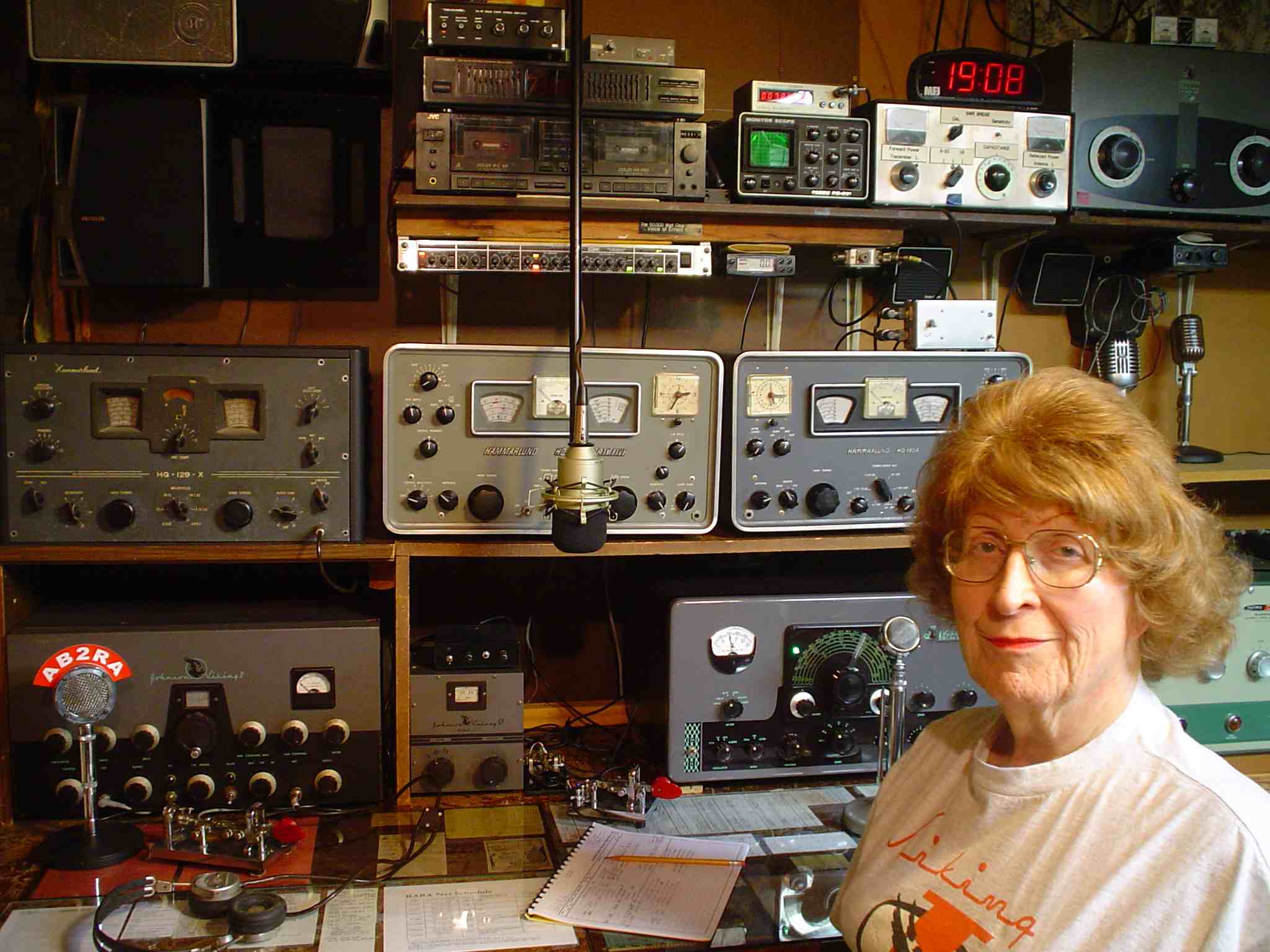
Back to the home page
Rants and Ramblings
Model Train Museum Visit
The Original Wireless Girl
Ithaca Grafitti
My 1989 Chevy Celebrity
Text size: + –
I hope you find it helpful.
Janis
AB2RA
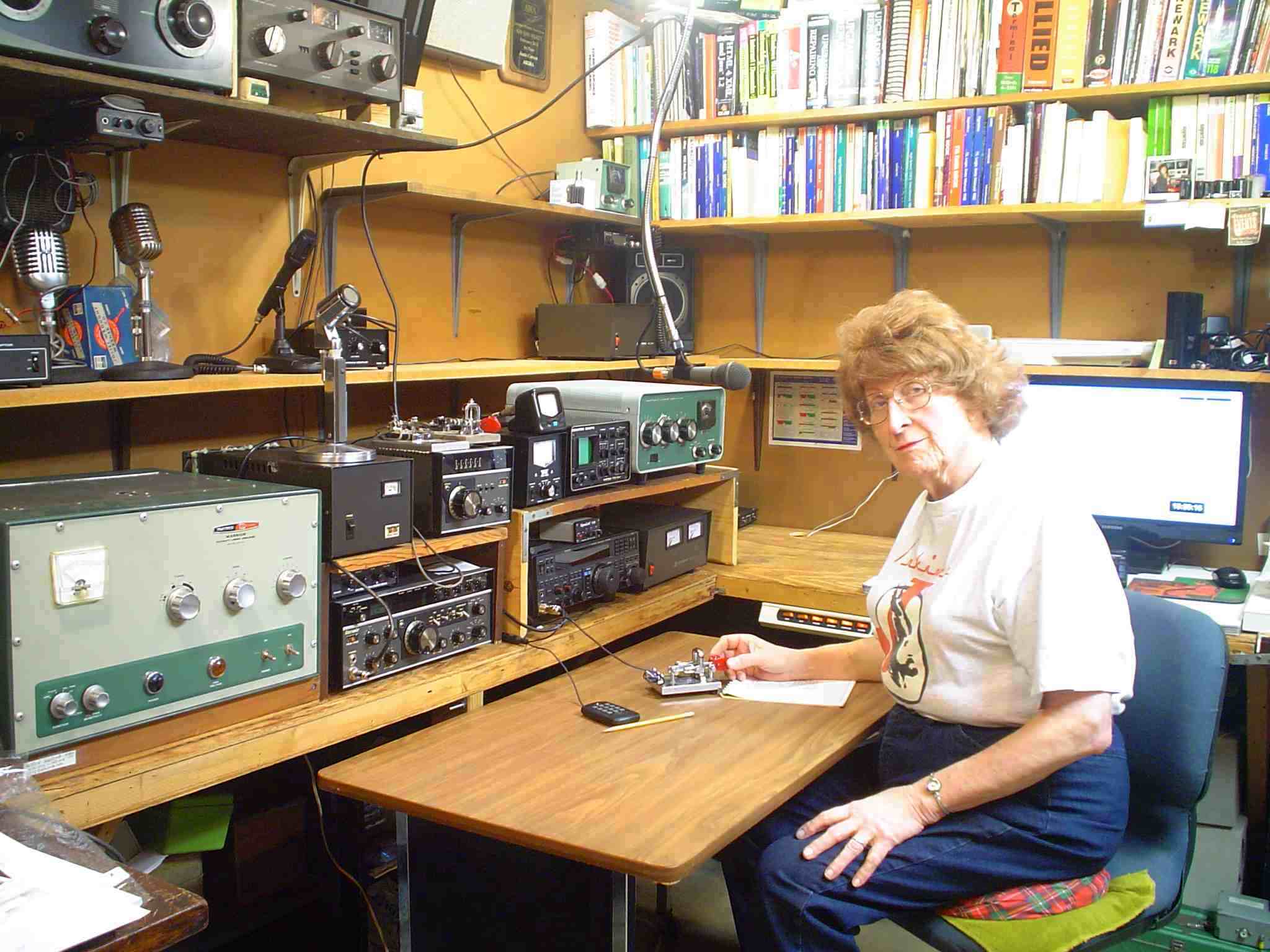
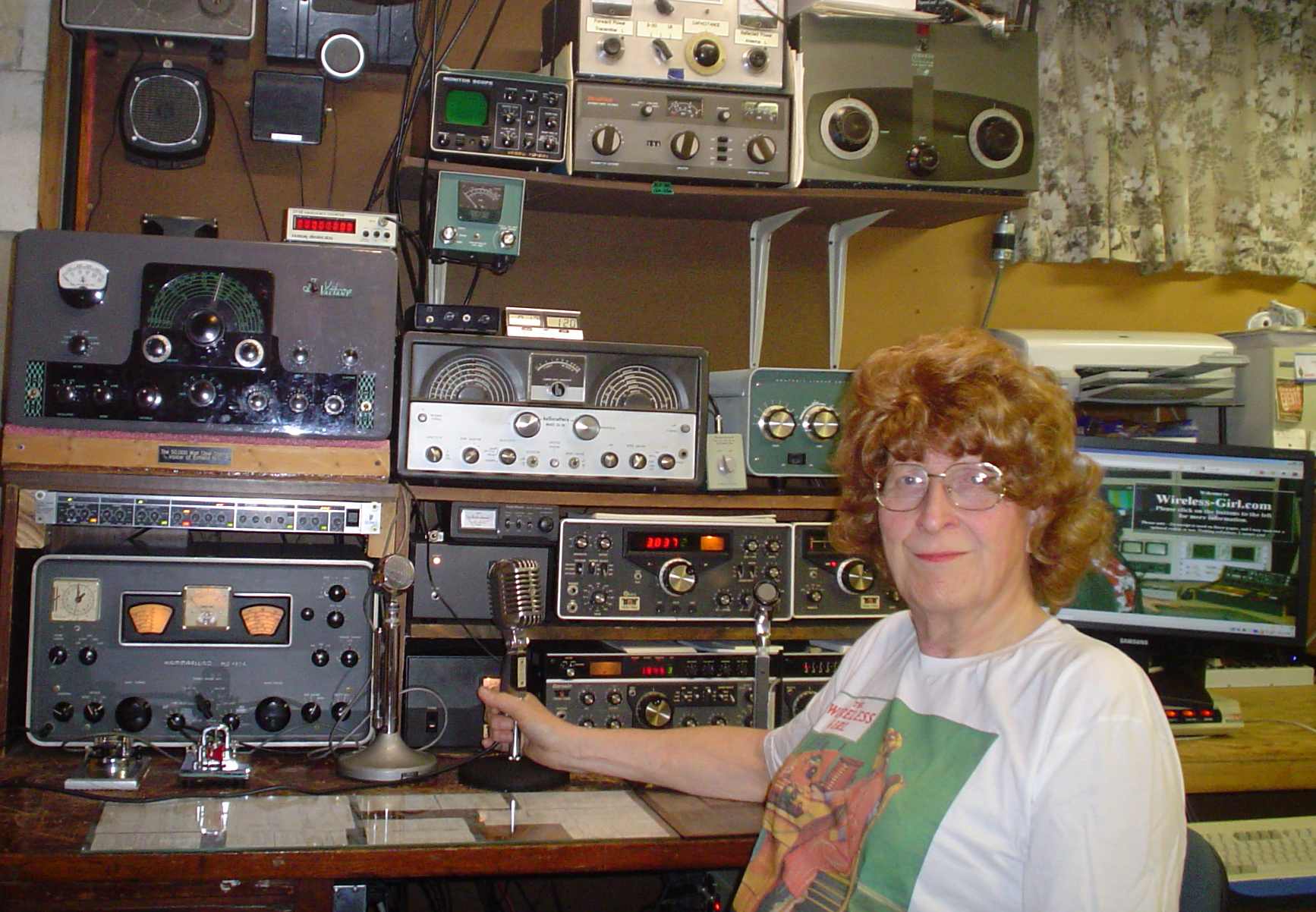
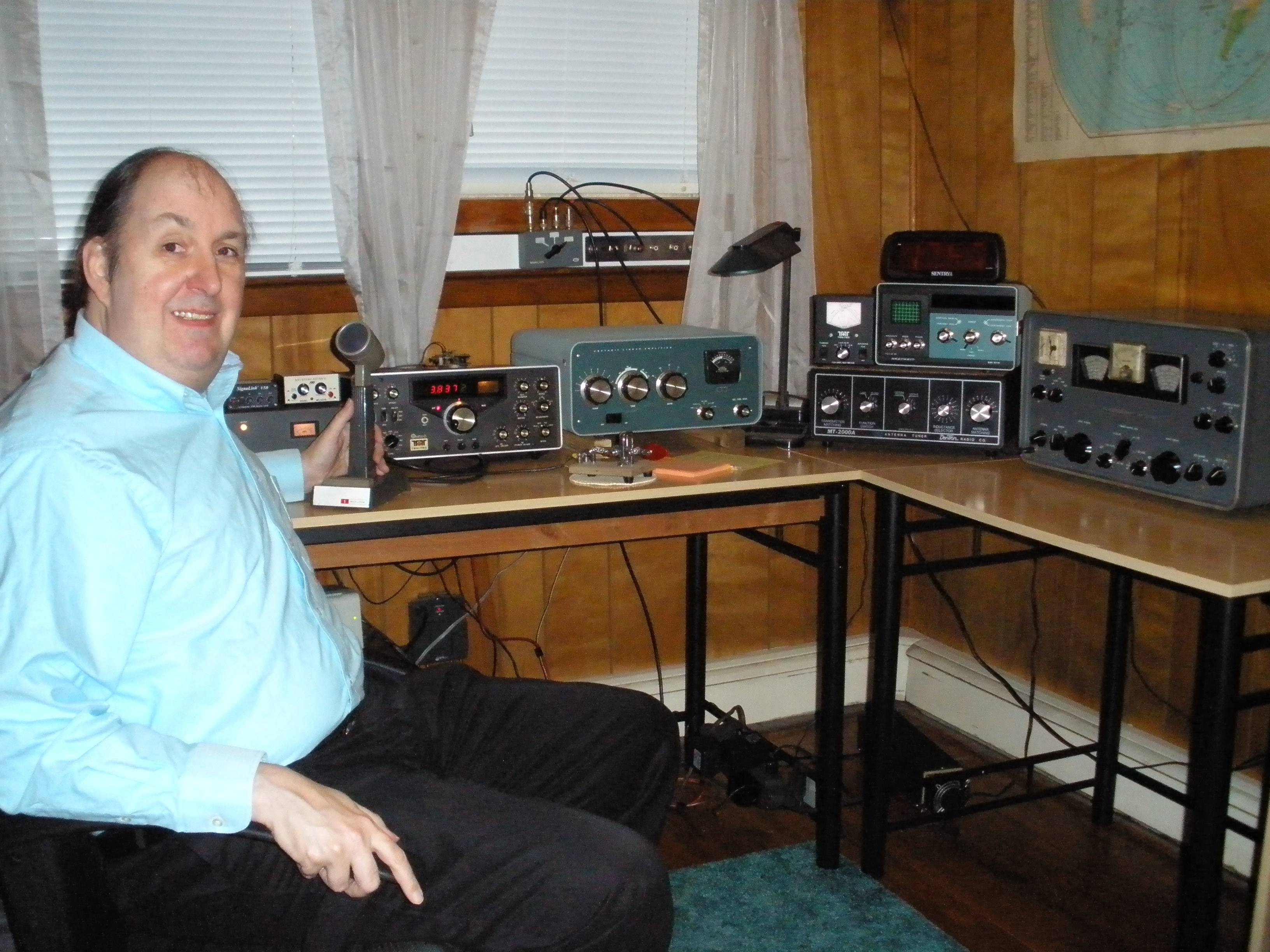
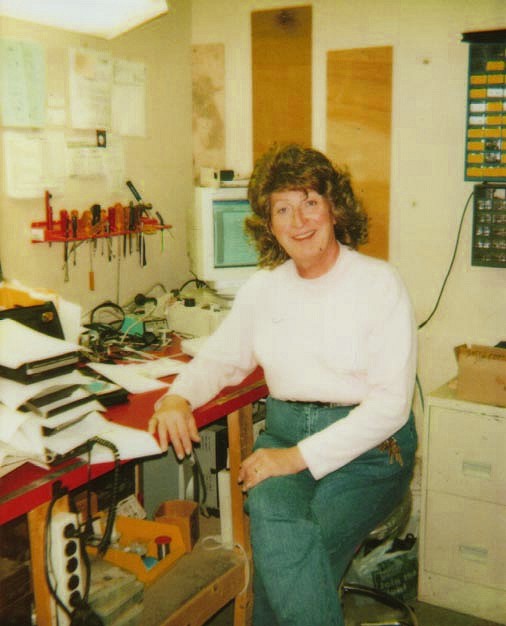
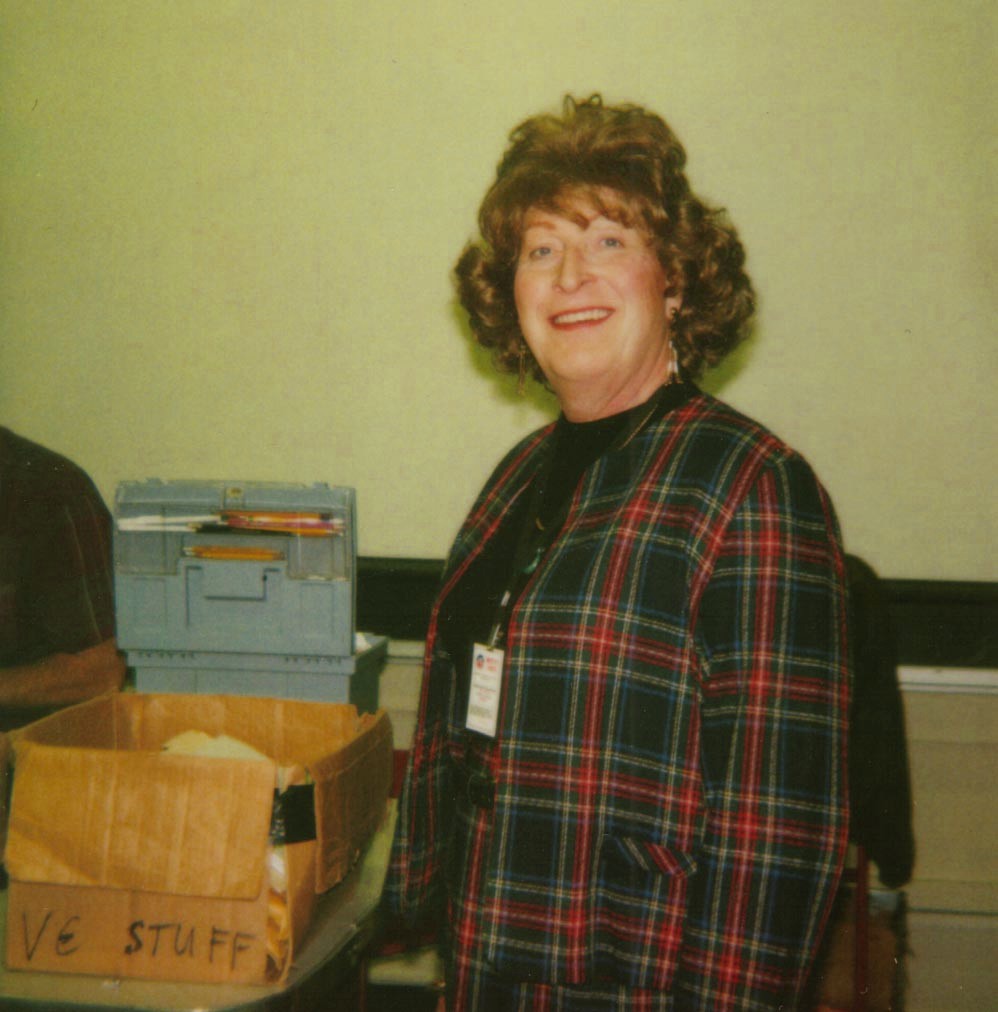
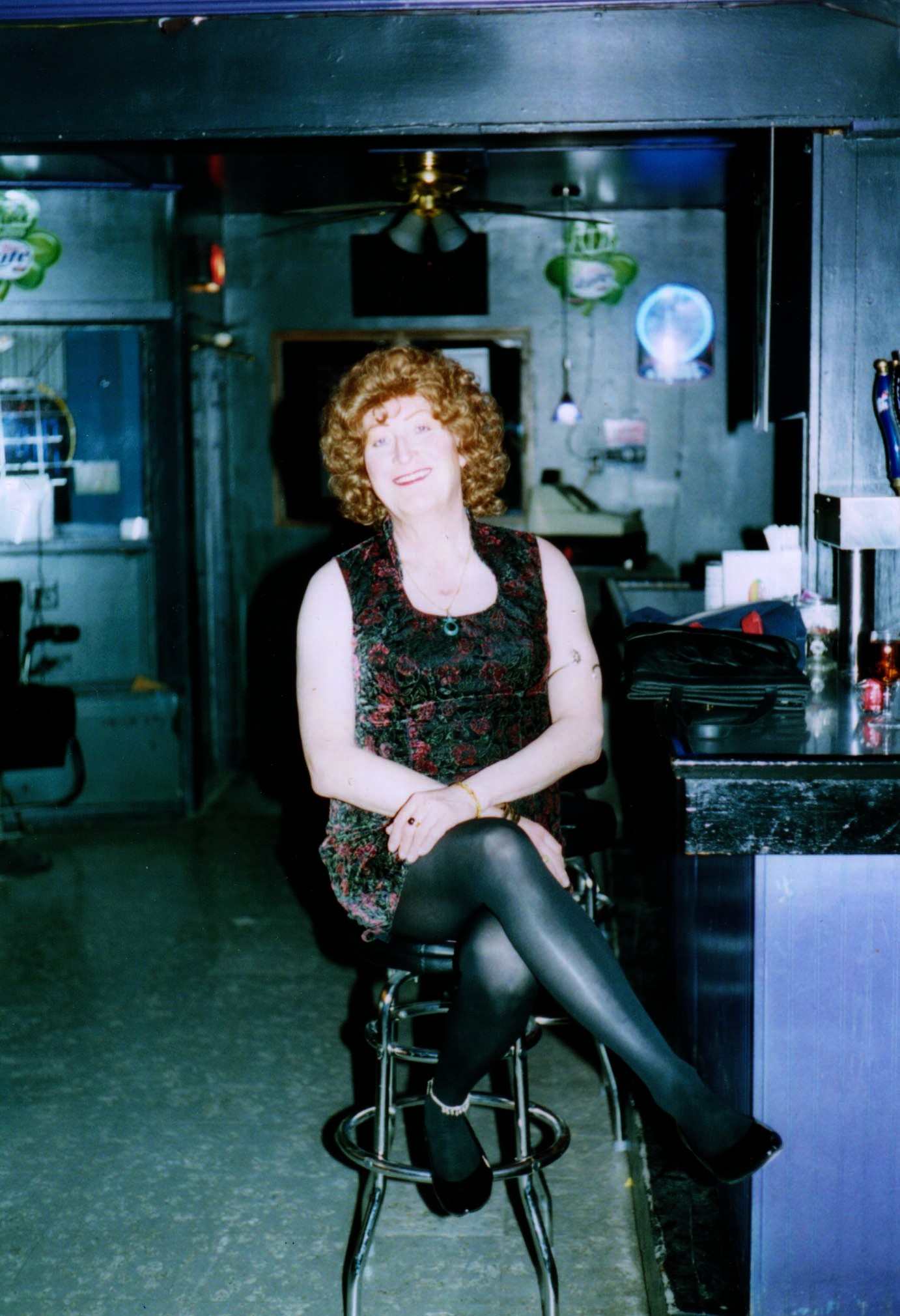
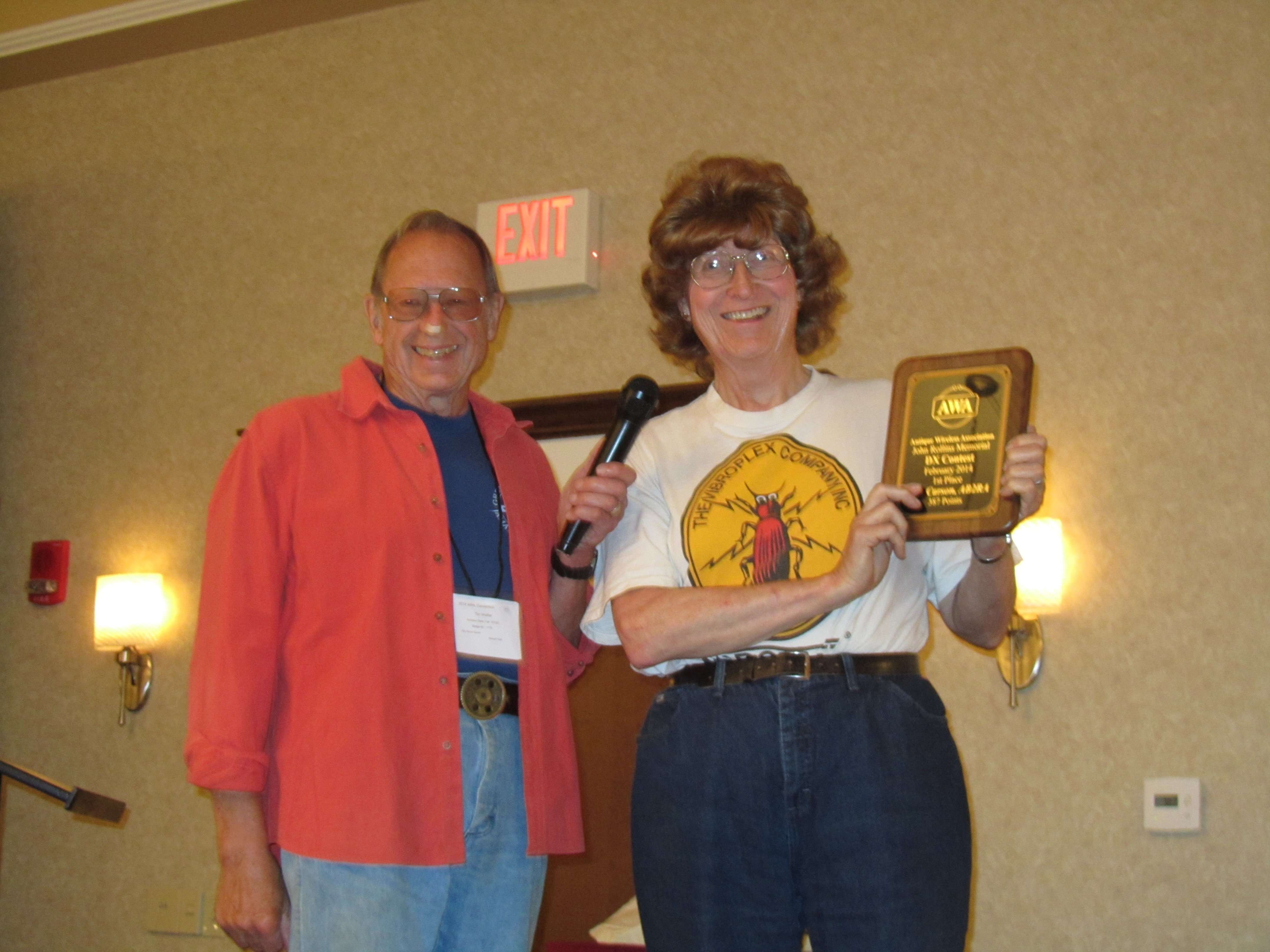
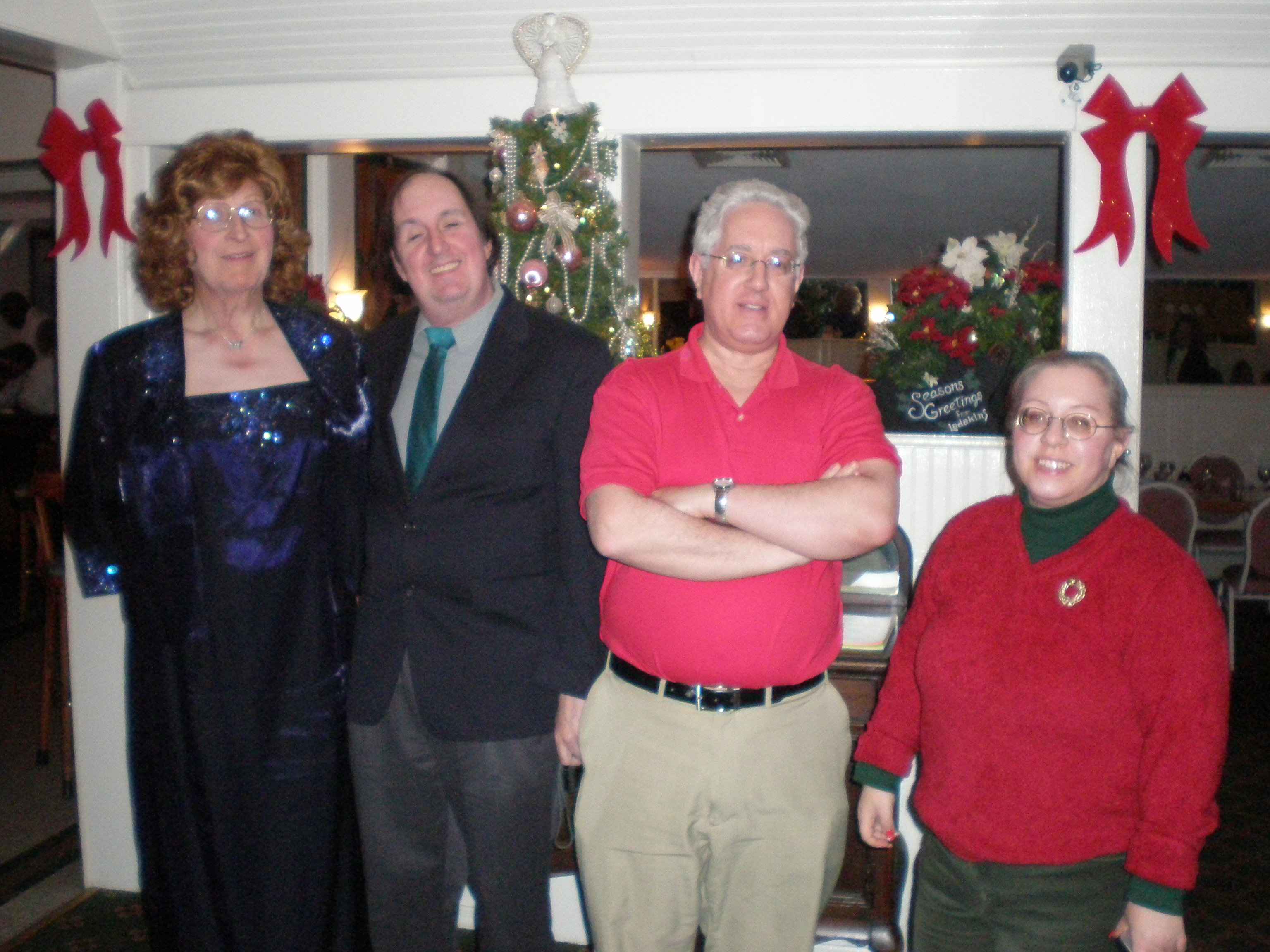
| Some more pictures of me. You can click on them to view them full size. Also, you can visit my gallery. | |||